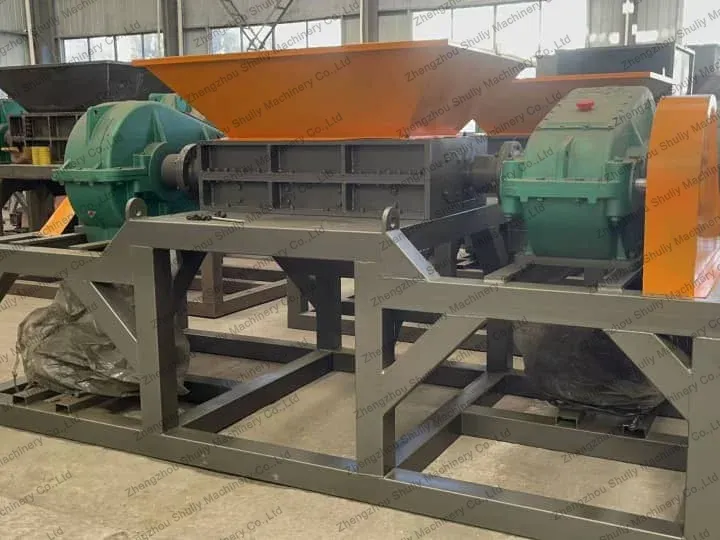
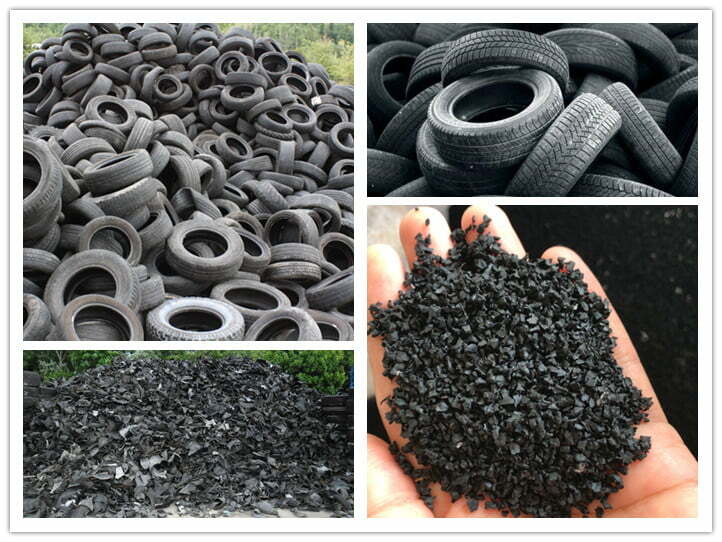
Pneus usados são um recurso importante de resíduos sólidos contendo grandes quantidades de borracha reciclável, fio de aço e fibra. Com o aumento dos requisitos ambientais e a popularização dos conceitos de reciclagem de recursos, a indústria de processamento de pneus usados está abraçando novas oportunidades de desenvolvimento.
Este artigo analisa as principais rotas tecnológicas, as últimas tendências de desenvolvimento e as perspectivas de mercado para o processamento de pneus usados.
Status atual da indústria de processamento de pneus usados
A China produz aproximadamente 300 milhões de pneus usados anualmente, com peso superior a 10 milhões de toneladas. Se essa quantidade tão grande de pneus usados não for processada de forma eficaz, além de ocupar grandes recursos de terra, pode causar poluição ambiental. Os principais métodos de processamento de pneus usados incluem: produção de borracha recuperada, recapagem de pneus, refino de óleo de pirólise e aplicações de grânulos de borracha.
Atualmente, a indústria está passando de um processamento simples para um processamento profundo, com tecnologias de alto valor acrescentado tornando-se o foco de desenvolvimento.
Principais rotas de tecnologia de processamento
1. Trituração e granulação de pneus
Tire shredding is the most basic processing method. Waste tires are shredded into different sizes of rubber granules using a tire shredding machine for various applications.
- Trituramento grosso: Rasgo inicial de pneus em blocos de 10-15cm
- Trituramento fino: Trituramento adicional em grânulos de 1-5cm
- Trituramento: Processamento em pó de borracha de 60-80 mesh ou superior
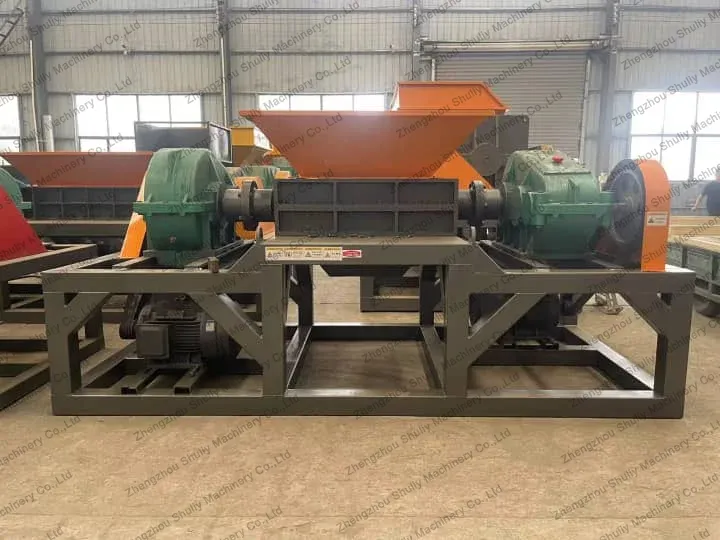
Application areas: Sports track surfaces, waterproof membranes, highway asphalt modification, rubber product raw materials, etc.
2. Tecnologia de refino de óleo de pirólise
A tecnologia de pirólise é uma das rotas tecnológicas de alto valor para o processamento de pneus usados. Sob condições sem oxigênio ou de baixo oxigênio, pneus usados são convertidos em óleo combustível, negro de fumo e fio de aço através de pirólise de alta temperatura.
- Produtos: Óleo de pirólise (40-45%), negro de fumo (30-35%), fio de aço (10-15%), gás combustível (5-10%)
- Vantagens: Alta taxa de conversão de recursos, alto valor agregado do produto
- Desafios: Investimento em equipamentos de grande porte, requisitos técnicos elevados, necessidade de medidas ambientais rigorosas
3. Produção de borracha recuperada
A borracha recuperada é um método de processamento tradicional que usa tecnologia de desulfurização para restaurar borracha vulcanizada à plasticidade, podendo substituir parcialmente a borracha virgem na fabricação de produtos de borracha.
- Vantagens: Tecnologia madura, custo relativamente baixo
- Desvantagens: Desempenho do produto inferior ao da borracha virgem, aplicações limitadas
4. Recapagem de pneus
A recapagem de pneus é o método de processamento mais eficiente em recursos, substituindo os sulcos desgastados para restaurar o desempenho de serviço.
- Vantagens: Taxa mais elevada de utilização de recursos, boa relação custo-benefício
- Limitações: Aplicável apenas a pneus com carcaças intactas, alcance de aplicação limitado
Tendências de desenvolvimento tecnológico
: Automação inteligente
O equipamento de processamento de pneus usados está evoluindo para uma direção inteligente e automatizada:
- Controle automático PLC: Operaçã automática e ajuste de parâmetros
- Monitoramento inteligente: Monitoramento em tempo real do estado do equipamento, previsão de falhas
- Sistema de alimentação automática: Reduz operação manual, melhora eficiência de produção
- Aplicações de robôs: Substitui trabalho manual em ligações de operação perigosas
Economia de energia e proteção ambiental
: Com requisitos ambientais cada vez mais rigorosos, economia de energia e redução de consumo tornaram-se direções-chave de desenvolvimento tecnológico:
- Recuperação de calor residual: Reutilização do calor gerado pelo processo de pirólise
- Processamento fechado: Reduz emissões de poeira e gases
- Remoção de poeira de alta eficiência: Utiliza tecnologias de remoção de poeira com saco, eletrostática e outras
- Tratamento de águas residuais: Alcança a reciclagem de água de produção
Tecnologia de classificação precisa
Melhorar a pureza e qualidade do produto é fundamental para aumentar a competitividade:
- : Tecnologia de separação magnética: Separação eficiente de fio de aço e materiais ferromagnéticos
- Classificação fotoelétrica: Classificação automática por cor e material
- Classificação do tamanho das partículas: Controle preciso da distribuição do tamanho das partículas
Análise de Perspectivas de Mercado
Apoio político
O governo apoia vigorosamente o desenvolvimento da indústria de reciclagem e reutilização de pneus usados:
- Pneus usados estão incluídos no catálogo de recursos de reciclagem incentivados pelo governo nacional
- Algumas regiões introduziram políticas de subsídio para reciclagem de pneus usados
- Inspeções ambientais promovem o desenvolvimento padronizado da indústria
- Políticas de incentivo fiscal incentivam o investimento empresarial
Demanda de mercado
A demanda por grânulos de borracha e pó de borracha continua a crescer em múltiplos setores:
- Construção de estradas: Aumentando aplicações na modificação de asfalto e estradas de borracha
- Instalações esportivas: Forte demanda por pistas de plástico e relva artificial
- Materiais impermeáveis: Membranas impermeáveis de asfalto modificado com SBS
- Peças automóveis: Demanda estável por matérias-primas de produtos de borracha
Oportunidades de investimento
Oportunidades de investimento na indústria de processamento de pneus usados incluem:
- Linha de produção de grânulos de borracha: Investimento moderado, retornos rápidos
- : Projetos de refino de óleo de pirólise: Alto limiar técnico, mas retornos lucrativos
- Produção de pó de borracha fina: Produtos de alto valor acrescentado
- Fábricas de recapagem de pneus: Apoio político, mercado estável
Recomendações de seleção de equipamentos
Selecionar equipamento de processamento de pneus adequado requer considerar múltiplos fatores:
| Escala de processamento | Equipamento recomendado | Capacidade | Processo aplicável |
|---|---|---|---|
| Pequeno (menos de 5000 toneladas/ano) | SL-400 | 200-500kg/h | Processamento de grânulos |
| Médio (5000-20000 toneladas/ano) | SL-600 | 500-1000kg/h | : Grânulos e pó de borracha |
| Grande (mais de 20000 toneladas/ano) | SL-800/SL-1000 | 1000-3000kg/h | Processamento abrangente |
A indústria de processamento de pneus usados está em um período de rápido desenvolvimento. O progresso tecnológico e a crescente demanda de mercado trouxeram boas oportunidades de desenvolvimento para os profissionais do setor. Selecionar rotas tecnológicas e configurações de equipamento adequadas é um fator chave para o sucesso do projeto. Se precisar de planejamento de projetos de processamento de pneus usados ou seleção de equipamentos, entre em contato com nossa equipe especializada para consulta.