
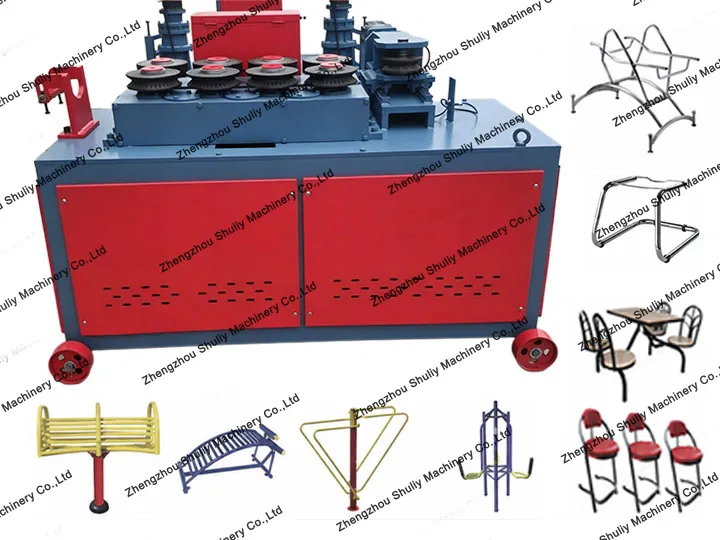
With the increasing demand for curved metal structures in construction, machinery manufacturing, and metal fabrication industries, the section bender machine has become an important solution for producing accurate and consistent curved profiles. Compared with traditional manual bending methods, these machines improve bending efficiency, reduce material waste, and help manufacturers achieve higher-quality finished products.
Before purchasing a curve-bending machine, many customers have questions about machine operation, suitable materials, bending accuracy, and maintenance requirements. To help customers better understand the equipment, this article answers the most common questions about arc bending machines.
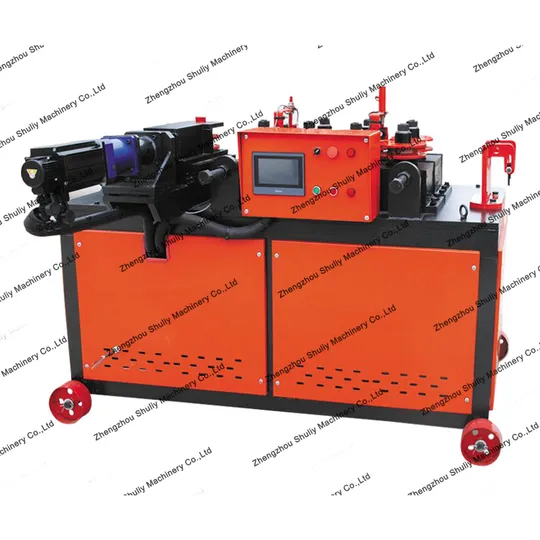
1. What is the price of a section bender machine?
The price of an arc-bending machine depends on several factors, including machine model, bending capacity, material thickness, roller configuration, and power system. Machines with higher capacity and hydraulic systems usually have stronger bending performance and are suitable for larger-scale production.
To get an accurate quotation, customers should provide information such as the material type, maximum bending size, and required production capacity.
2. How to choose the right section bender machine?
Choosing the right arc spiral bending machine mainly depends on your processing requirements:
- What material do you need to bend?
- What are the maximum thickness and width of the material?
- What bending radius do you need?
- How many pieces do you need to process per day?
Different models are designed for different working conditions. Selecting the correct machine can help improve efficiency and avoid unnecessary costs.
3. What materials can the rebar spiral and arc-bending machine bend?
The section bending machine can be used for bending various metal profiles, including steel pipes, angle steel, channel steel, flat bars, and other metal sections.
It is widely applied in construction, steel structure production, machinery manufacturing, and metal processing industries.
4. Is the section bender machine easy to operate?
Yes. The machine is designed with a simple operating system. After basic training, operators can quickly learn how to adjust the rollers and control the bending process.
Compared with traditional manual bending methods, the machine reduces labor requirements and improves bending consistency.
5. What is the maximum section bending capacity of the machine?
The maximum bending capacity depends on the specific model. Different machines can handle different sizes and thicknesses of materials.
Before purchase, customers should confirm their required bending dimensions so the manufacturer can recommend the most suitable model.
6. Can the section bender machine ensure accurate bending results?
Yes. The multi-roller design provides stable pressure during the bending process, helping achieve smooth and accurate curves.
Compared with manual methods, the machine reduces uneven bending, material deformation, and repeated adjustments.
7. How long is the service life of a section bending machine?
With proper operation and regular maintenance, an aluminum arc bending machine can provide long-term reliable performance.
High-quality rollers, strong machine frames, and durable transmission components help improve equipment stability and reduce maintenance costs.
8. What maintenance does the section bender machine need?
Daily maintenance is simple and mainly includes:
- Lubricating moving parts regularly
- Checking roller condition
- Cleaning metal scraps after use
- Inspecting electrical or hydraulic components
- Tightening loose parts when necessary
Regular maintenance helps maintain bending accuracy and extend machine service life.
9. Can you customize the section bender machine?
Yes. We can provide customized solutions according to customers’ processing needs, including bending capacity, roller size, machine structure, and power configuration.
You can contact me with detailed requirements to get a suitable solution.
결론
Before purchasing a cnc section bending machine, customers mainly focus on machine performance, price, bending accuracy, operation, and after-sales support. Understanding these common questions helps buyers choose the right equipment and make a confident investment for their metal processing business.