
Plastic waste from bottles, containers, pipes, and manufacturing scraps can take up considerable storage space and become difficult to handle. A plastic crusher helps solve this problem by reducing bulky plastic materials into smaller flakes, making them easier to transport, clean, and reuse. It is an important piece of equipment for plastic recycling plants and manufacturers looking to recover valuable plastic materials.
From Plastic Waste to Recycled Pellets: The Complete Process
The recycling process involves several key stages, from feeding and crushing plastic waste to washing, drying, and pelletizing. Each step helps prepare the material for its next stage of processing.
1. Feed Plastic Waste into the Crusher
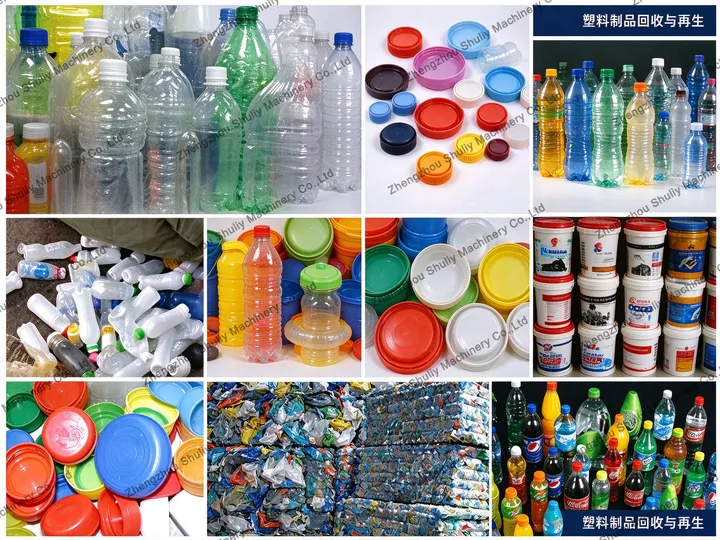
The first step is feeding plastic materials into the crushing chamber. Depending on the application, the raw materials may include discarded plastic bottles, containers, pipes, sheets, and injection molding scraps.
Before feeding, operators should remove metal pieces and other hard contaminants that could damage the blades. Large plastic items may also need preliminary cutting to fit the feed opening.
2. Crush Plastic Materials into Smaller Flakes
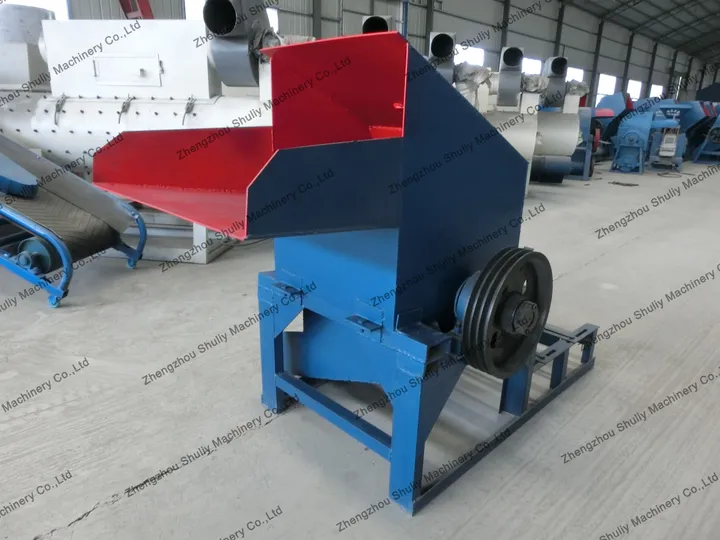
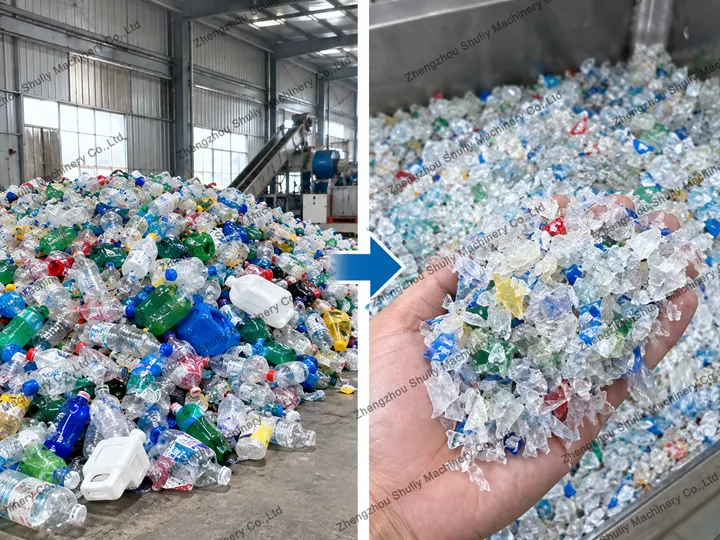
Inside the plastic crusher, rotating blades work together with fixed blades to cut plastic materials into smaller pieces. As the material enters the crushing chamber, repeated cutting gradually reduces its size.
A screen installed at the bottom of the chamber controls the size of the discharged flakes. Plastic pieces that are still too large remain inside for further crushing until they can pass through the screen openings.
This process makes bulky plastic waste easier to handle and prepares it for the next recycling stage.
3. Collect and Sort the Crushed Plastic
After crushing, the plastic flakes are discharged through the screen and collected for further processing.
Different plastic materials should generally be sorted by type before recycling. For example, PET, HDPE, and PP plastics have different material properties and recycling requirements. Keeping them separated helps improve the quality of the recycled output.
4. Clean Plastic Flakes for Further Processing
For dirty or contaminated plastic waste, crushing is usually followed by a washing process. A plastic washing machine can remove dust, labels, oil, and other surface contaminants.
After washing and drying, the clean plastic flakes can be sent to a plastic pelletizing machine, where they are melted and extruded into recycled plastic pellets.
The complete process can follow this route:
Plastic Waste → Crushing → Washing → Drying → Pelletizing → Recycled Plastic Pellets
Turn Plastic Waste into Valuable Recyclable Materials
Looking to process plastic bottles, containers, pipes, or factory scraps? Contact us to discuss your raw materials and production requirements. We can help recommend a suitable plastic crusher for your recycling project.