
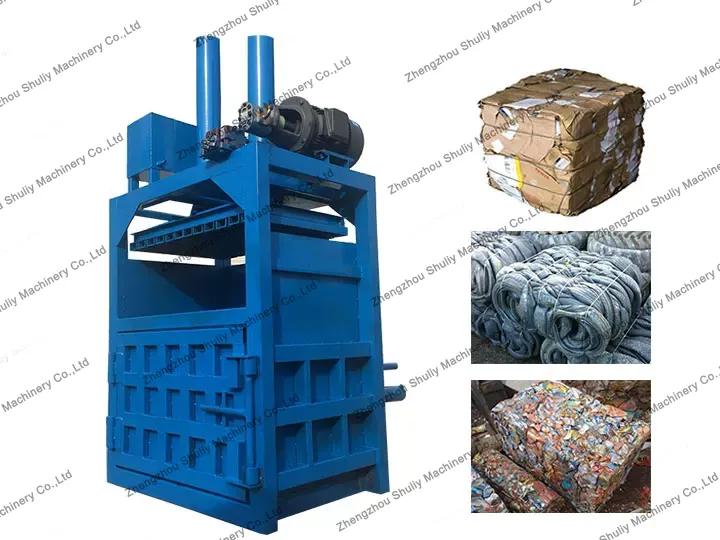
The waste paper baler helps businesses compress waste paper, cardboard boxes, and other suitable recyclable materials into compact bales for easier storage, handling, and transportation.
Shuliy vertical hydraulic balers have pressing forces ranging from 15 to 120 tons and processing capacities of approximately 0.6–5 tons per hour. Bale weights range from 20 kg to 600 kg, making these machines suitable for different waste volumes and recycling requirements.
Vertical baler machines are widely used in supermarkets, logistics warehouses, carton packaging plants, printing facilities, and waste recycling centers. Besides waste paper, balers can also process compressible materials such as PET plastic bottles, plastic films, waste clothing, and cotton.
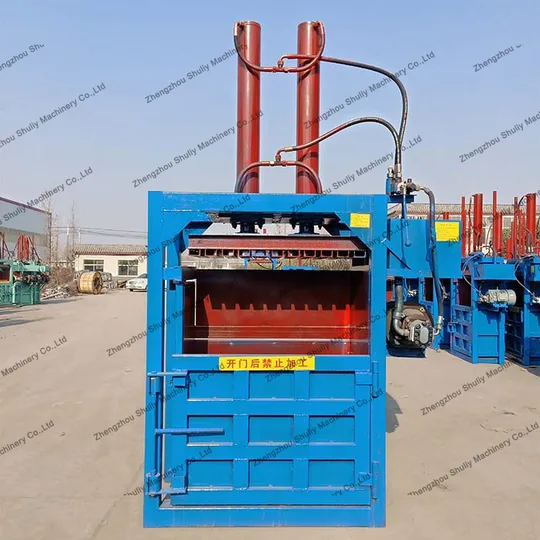
How Does a Waste Paper Baler Work?
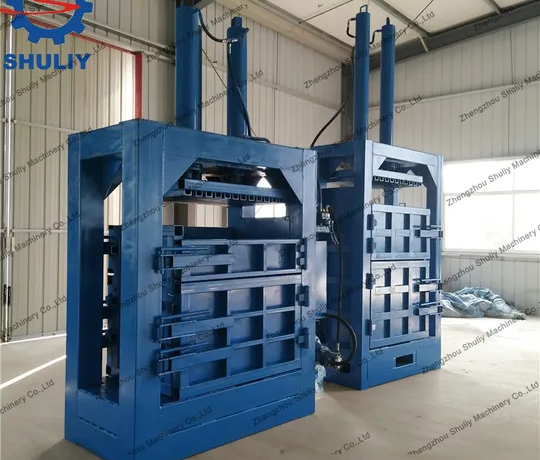
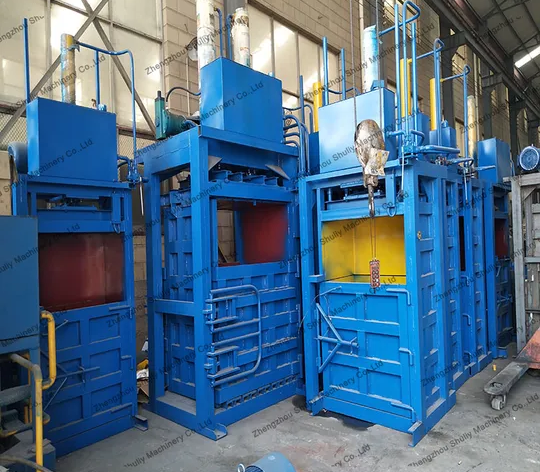
A vertical hydraulic baler uses a hydraulic system to drive a pressing plate downward into the material chamber. As loose paper and cardboard are compressed, their volume decreases, allowing them to be bundled into more manageable bales.
The working process generally includes four steps:
- Loading: Place sorted waste paper or flattened cardboard into the material chamber.
- Compression: The hydraulic cylinder drives the pressing plate downward to compact the material.
- Tying: Secure the compressed bale with suitable strapping or wire according to the machine configuration.
- Discharging: Open the chamber and remove the finished bale following the machine’s operating and safety instructions.
This process makes loose paper waste easier to organize and transport while helping maintain a cleaner working area.
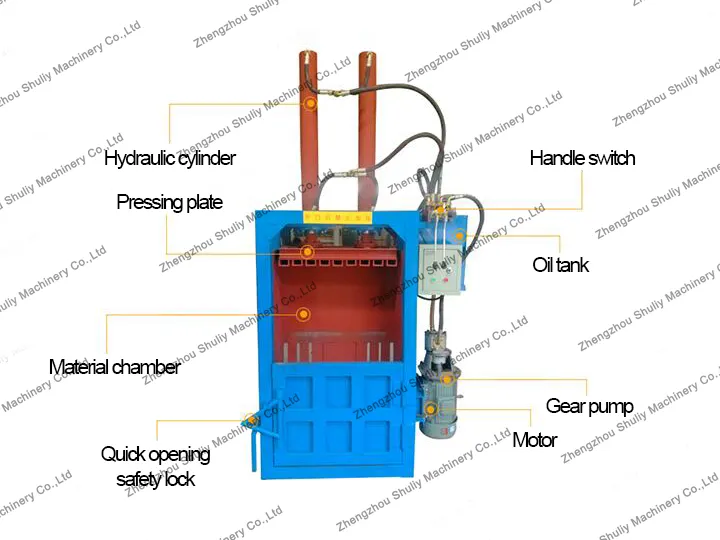
Key Features of the Vertical Hydraulic Waste Paper Baler
- The equipment features a hydraulic drive system; it is easy to install and requires no foundation.
- No anchor bolts are required for installation; a diesel engine can serve as the power source in locations without an electricity supply.
- Various discharge methods are available, including tipping discharge, bale-pushing discharge, and manual bale removal.
- Machine dimensions and specifications can be customized according to customer requirements.
- A spherical connection structure is used between the pusher cylinder and the pusher head, ensuring reliable operation and a long service life for the oil seals.
Waste Paper Baler Parameters
| Modeli | SLV-15 | SLV-30 | SLV-60 | SLV-80 | SLV-120 |
| Pressure | 15t | 30t | 60t | 80t | 120t |
| Güç | 5.5-7.5kw | 5.5kw | 7.5kw | 11kw | 18.5kw |
| Kapasite | 0.6-0.8t/h | 0.8-1t/h | 1.5-2t/h | 2-3t/h | 4-5t/h |
| Bale weight | 20- 40 kg | 100 kg | 300 kg | 400-500 kg | 400-600 kg |
| Bale size | 600*400*200- 500mm | 800*400*600 mm | 900*600*800 mm | 1100*800*1000 mm | 1200*800*12 00mm |
| Machine weight | 1ton | 1.2ton | 1.5ton | 2ton | 3.2ton |
What Materials Can a Waste Paper Baler Process?
| Material | Typical applications | Main benefit |
| Waste paper and cardboard | Offices, supermarkets, warehouses, printing and packaging plants | Reduce the volume of loose paper waste |
| PET plastic bottles | Beverage bottle collection and plastic recycling | Make bulky bottles easier to store and transport |
| Plastic film and bags | Logistics centers, packaging plants, manufacturing facilities | Compress lightweight, bulky plastic waste |
| Waste clothes and textiles | Garment factories and used-clothing collection centers | Simplify storage and bulk handling |
| Cotton and other fibers | Textile processing and fiber collection facilities | Form compact bundles for handling |
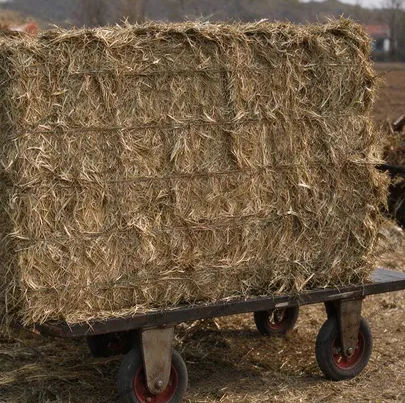
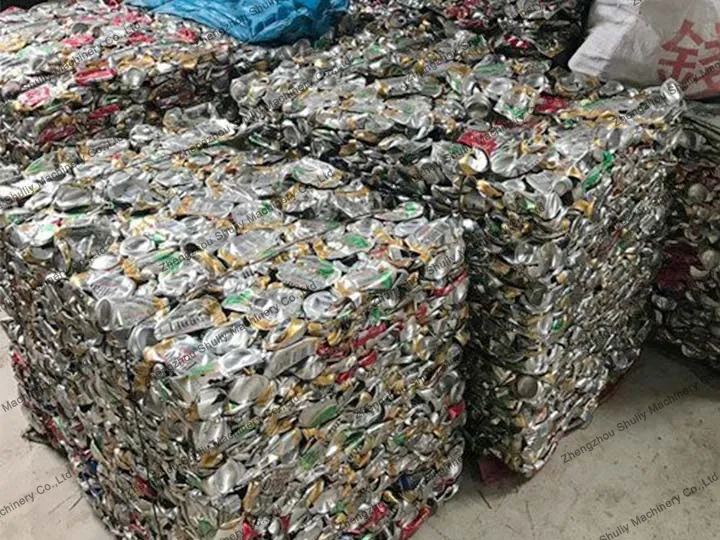
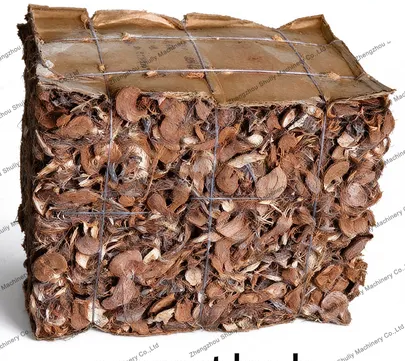
| Coconut husks and selected agricultural residues | Agricultural processing and biomass handling | Help consolidate suitable loose materials |
Key Benefits of the Waste Paper Baler
1. Reduce Waste Storage Space
Loose cardboard, plastic bottles, and textile waste can quickly occupy valuable floor space. Hydraulic compression turns these materials into compact bales, helping businesses organize waste collection areas and make better use of available storage space.
2. Improve Transportation Efficiency
Compacted bales are easier to stack and handle than loose materials. Depending on bale density, truck capacity, and material characteristics, businesses may be able to transport more recyclable material per load.
3. Support Multiple Recycling Applications
A suitably configured machine can handle different categories of recyclable waste. This flexibility is useful for businesses that generate several types of waste during daily operations.
4. Use Floor Space Efficiently
The vertical structure is particularly useful for small and medium-sized recycling businesses, retail stores, warehouses, and factories with limited installation space.
5. Simplify Daily Waste Handling
A dedicated baling process helps operators collect, compress, tie, and move recyclable materials in a more organized manner. The level of automation and labor required depends on the selected model and operating procedure.
How to Choose the Right Waste Paper Baler
Selecting the right machine starts with the material and the daily workload rather than the machine’s name alone.
- Material type: Identify whether you will process corrugated cardboard, office paper, PET bottles, plastic film, textiles, or a combination of materials.
- Daily processing volume: Estimate the amount of waste generated per shift or per day to determine the required capacity.
- Pressing force: Choose a suitable hydraulic force based on the material’s resistance to compression and the desired bale density.
- Bale size and weight: Check the dimensions and weight required by your storage area, handling equipment, and recycling buyer.
- Feeding chamber: Make sure the opening accommodates your material without excessive manual preparation.
- Power supply: Confirm the available voltage, frequency, and electrical requirements at the installation site.
- Operation and discharge: Check how the machine is controlled, how the bale is tied, and how the finished bale is removed.
- Safety and maintenance: Review the chamber interlocks, emergency stop arrangements, hydraulic maintenance requirements, and operator instructions.
For overseas buyers, it is also important to confirm the installation dimensions, spare parts availability, shipping arrangements, and after-sales technical support.
Frequently Asked Questions About the Waste Paper Baler
Can a vertical hydraulic baler process materials other than waste paper?
Yes. Suitable models can process cardboard, PET bottles, plastic film, waste clothes, cotton, and selected fibers. The machine must be matched to the material’s properties and required bale specifications.
Is a vertical baler suitable for a small recycling business?
Yes. Its vertical design can be suitable for small and medium-sized operations with limited floor space. The appropriate pressing force and chamber size depend on the daily waste volume and the type of material being handled.
What determines the weight of each bale?
Bale weight depends on the material, its condition, the chamber dimensions, and the machine’s pressing force. Cardboard, plastic bottles, and textiles can produce significantly different bale weights even when processed by the same machine.
Get a Waste Paper Baler for Your Recycling Business
Whether you need to compress waste cardboard from a warehouse, PET bottles from a recycling station, or textile waste from a garment factory.
Contact our team with your material details, daily processing requirements, and target bale size. We can help you evaluate a suitable baling solution for your application and discuss machine specifications, customization options, and delivery requirements.