
As lâminas de trituração e cisalhamento são componentes centrais do equipamento; a sua condição afeta diretamente a eficiência, a capacidade e a qualidade do produto. Manutenção adequada das lâminas pode não apenas prolongar a vida útil, mas também reduzir a taxa de falhas do equipamento, minimizar o tempo de inatividade e reduzir custos de manutenção. Este artigo fornecerá conhecimento detalhado e dicas práticas para a manutenção de lâminas de Triturador.
Tipos e Estrutura das Lâminas
Diferentes tipos de trituradores utilizam lâminas com designs diferentes. Compreender a estrutura das lâminas é um requisito prévio para a manutenção adequada.
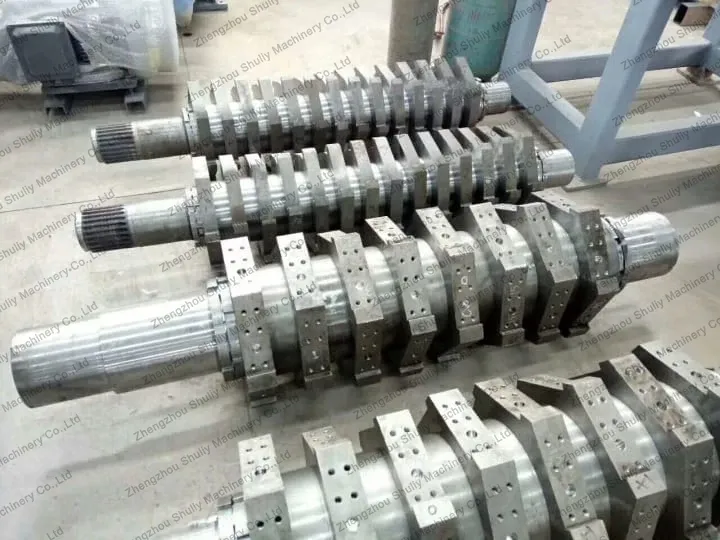
Lâminas de Triturador de Eixo Duplo
The blades used in double shaft plastic shredders are arranged in a spiral pattern and installed on two blade shafts. Blade materials are usually alloy steel or high-speed steel, featuring high wear resistance and impact resistance. The number of blades varies from 16 to 64 pieces depending on the equipment model.
Lâminas de Triturador de Eixo Único
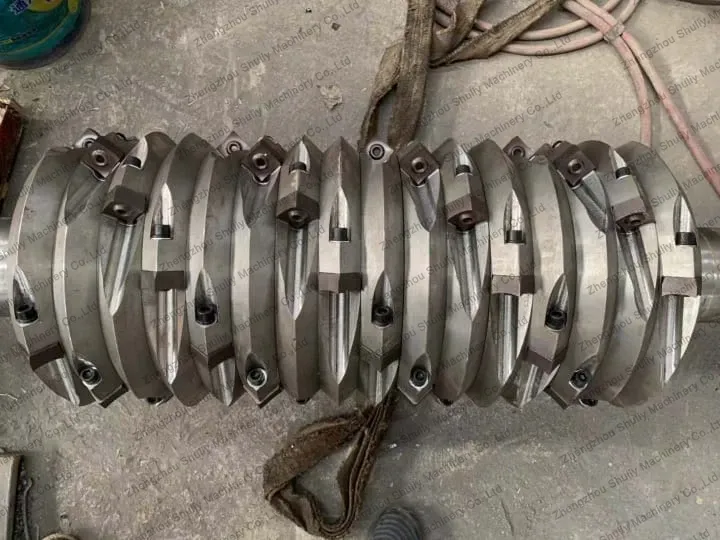
Trituradores de eixo único têm apenas um eixo de lâminas, com lâminas montadas no eixo formando uma ação de corte com lâminas fixas. Lâminas de eixo único geralmente são maiores e usadas para processar materiais macios como filmes plásticos e papel.
Lâminas de Triturador de Cobre
The blades of copper granulators are mainly used to cut cable wires into small segments, requiring blades with high hardness and good wear resistance. Copper granulator blades are usually made of tool steel or alloy steel.
Pontos de inspeção diários
Estabelecer um sistema de inspeção diária é essencial para prevenir falhas das lâminas. Recomenda-se realizar as seguintes verificações antes de cada arranque e após o desligamento:
- Inspeção visual: Verifique se as lâminas apresentam danos evidentes, como lascas, lascas ou rachas
- Nível de desgaste: Verificar se as arestas das lâminas estão cegas, medir se a espessura da lâmina está dentro do normal
- Estado de fixação: Confirmar que os parafusos de fixação das lâminas estão apertados sem folgas
- Inspeção da folga: Verifique se o espaço entre lâminas móveis e fixas é uniforme e atende aos requisitos do equipamento
Quaisquer anomalias devem ser tratadas prontamente para evitar que pequenos problemas se tornem falhas maiores.
Tempo de Substituição das Lâminas
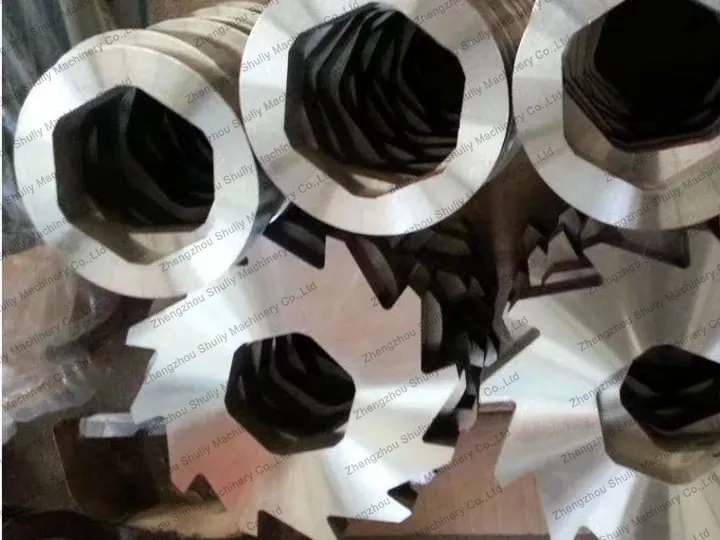
A substituição oportuna de lâminas gastas é uma medida importante para manter o desempenho do equipamento. A substituição de lâminas deve ser considerada nas seguintes situações:
- Desgaste da espessura da lâmina: Espessura da lâmina reduzida em mais de 10% da espessura original
- Arestas obviamente cegas: A eficiência de trituração diminui significativamente, a capacidade reduzida
- Rebarbas ou lascas na lâmina: Pode afetar a qualidade da trituração e danificar o equipamento
- Ruído anormal: Sons de impacto ou atrito anormais durante a trituração
- Aumento da vibração: O nível de vibração do equipamento aumentou significativamente, afetando a operação normal
Recomenda-se estabelecer registos de uso da lâmina para acompanhar o tempo de uso e o volume de trituração, facilitando a previsão dos ciclos de substituição.
Etapas de Substituição de Lâminas
A substituição das lâminas deve ser realizada de acordo com os procedimentos corretos para garantir a segurança e a qualidade da instalação:
1. Trabalho de preparação
- Desligar a alimentação, garantir que o equipamento esteja em estado desligado
- Usar equipamento de proteção individual
- Preparar novas lâminas e as ferramentas necessárias
- Limpar a área ao redor do equipamento para garantir espaço de operação
2. Remover lâminas antigas
- Abrir a tampa superior do equipamento ou porta lateral
- Usar ferramentas especiais para prender o eixo da lâmina para evitar rotação
- Afrouxar os parafusos de fixação das lâminas, remover as lâminas em sequência
- Verificar desgaste anormal de eixos e mancais das lâminas
3. Instalar novas lâminas
- Limpar a posição de instalação da lâmina para garantir que não haja detritos
- Instalar novas lâminas na sequência correta, prestar atenção à direção da lâmina
- Apertar os parafusos alternativamente para assegurar força uniforme das lâminas
- Ajustar a folga das lâminas para o valor padrão
4. Teste de funcionamento
- Girar manualmente o eixo da lâmina para confirmar que não há emperramento
- Rodar sem carga por alguns minutos para verificar ruídos anormais
- Carregue gradualmente os materiais para observar o efeito de trituração e o estado de operação do equipamento
Conselhos para prolongar a vida útil da lâmina
As seguintes medidas podem efetivamente prolongar a vida útil das lâminas:
- Pré-tratar materiais: Remover impurezas metálicas, areia e outros objetos duros dos materiais para reduzir o desgaste das lâminas
- Controlar a velocidade de alimentação: Alimentar de forma uniforme para evitar operação sobrecarregada
- Escolher o material da lâmina adequado: Selecionar o material da lâmina apropriado com base nas características do material
- Afiação regular: Para lâminas afáveis, afiá-las regularmente para restaurar o fio
- Manter as lâminas limpas: Remover prontamente materiais aderidos às lâminas
Problemas comuns e soluções
| Problema | Causa Possível | Solução |
|---|---|---|
| Diminuição da eficiência de trituração | As lâminas ficam cegas | Substituir ou afiar lâminas |
| Partes das lâminas (rebarba) | Atingido por objetos duros | Verificar e remover objetos metálicos e outros objetos duros de materiais |
| Aumento da vibração do equipamento | Lâminas instaladas desequilibradas | Reinstalar as lâminas para garantir o equilíbrio |
| Desgaste irregular das lâminas | Alimentação irregular | Ajustar o método de alimentação para assegurar uniformidade |
Armazenamento e Cuidado das Lâminas
Lâminas sobressalentes devem ser armazenadas adequadamente:
- Prevenção de ferrugem: Aplicar óleo anticorrosivo para evitar a corrosão das lâminas
- Evitar colisões: Manuseie com cuidado para evitar danos às lâminas
- Ambiente seco: Guardar num lugar seco e ventilado
- Colocação ordenada: Lâminas devem ser colocadas planas ou na vertical para evitar pressão
A manutenção adequada é a chave para garantir o desempenho do triturador. Se tiver alguma pergunta sobre manutenção de lâminas ou seleção de equipamento, contacte a nossa equipa profissional para suporte técnico.