
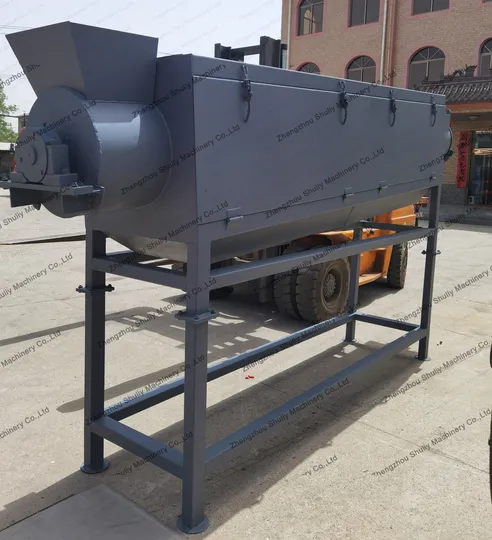
Waste processing projects often involve more than one machine. Different materials may require size reduction, conveying, separation, washing, drying, compression, or further processing before they become suitable for recycling or other applications.
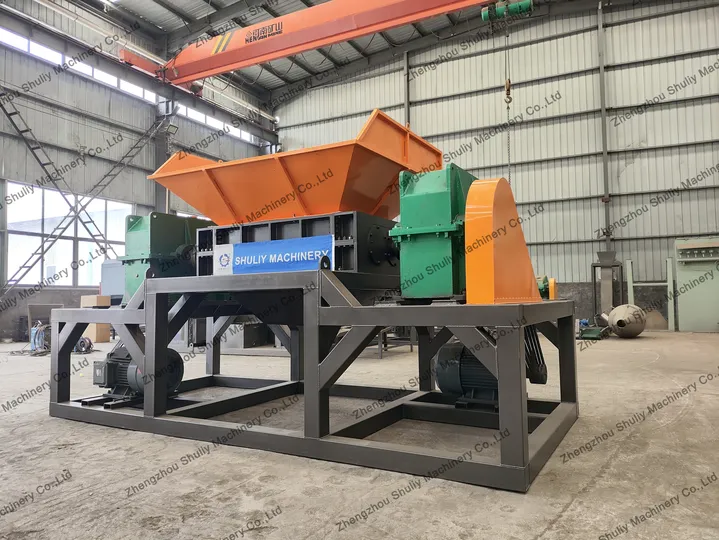
An industrial shredder can serve as an important starting point in this process. By reducing bulky, irregular waste into smaller pieces, it prepares materials for the equipment that follows. The complete line can then be configured according to the raw material, processing capacity, and desired final product.
Start with the Material and Final Product
A practical waste processing line should be designed around the material rather than simply adding machines one by one.
Before selecting downstream equipment, processors need to consider:
- What type of waste will be processed?
- What is the size and condition of the incoming material?
- What processing capacity is required?
- What output size is needed after shredding?
- Does the material need to be sorted, washed, or dried?
- Will the final material be baled, recycled, or used for further processing?
These factors determine what equipment should be placed after the cardboard shredder.
Match the Industrial Shredder with the Next Processing Stage
The basic workflow can be:
Raw Waste → Waste Shredding Machine → Conveying → Further Processing → Final Product
However, the machines in the middle of the line can vary significantly depending on the material.
| Waste material | Main purpose of shredding | Possible downstream equipment | Example processing flow |
| Plastic waste | Reduce bulky plastic waste | Crusher, washing machine, dryer | Shredder → crusher → washing → drying |
| Wood waste | Reduce branches, pallets, and bulky wood | Wood crusher, dryer, briquette machine | Shredder → crushing → drying → briquetting |
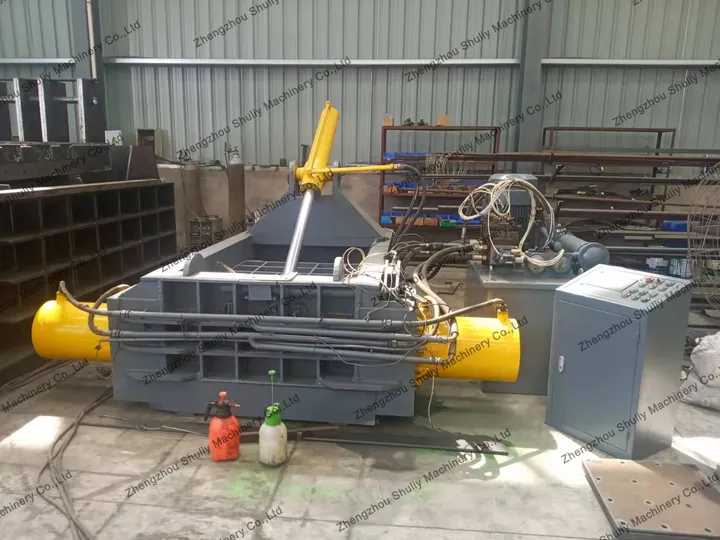
| Scrap metal | Reduce irregular scrap | Magnetic separator, metal baler | Shredder → magnetic separation → baling |
| Waste tires | Reduce whole or bulky tires | Magnetic separator, rubber processing equipment | Tire shredder → separation → rubber processing |
| Agricultural waste | Reduce bulky biomass | Crusher, hammer mill, pellet mill | Shredder → crusher → hammer mill → pelletizing |
This approach allows the same basic shredding concept to be incorporated into very different processing systems.
Build the Line Around the Customer’s Requirements
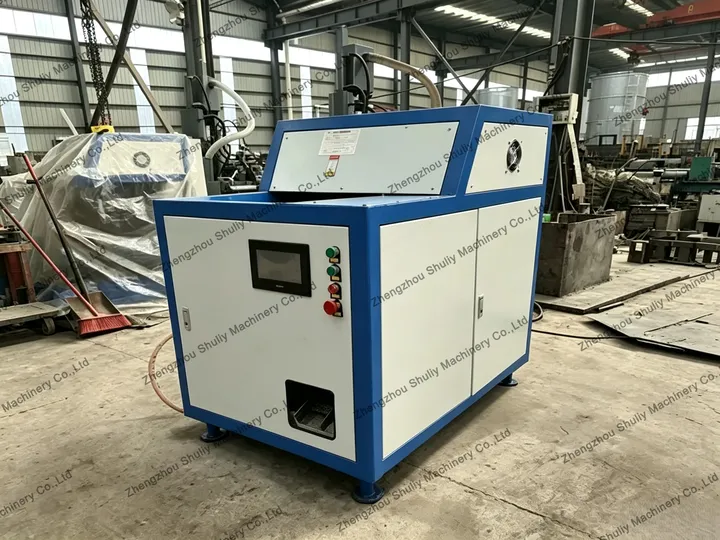
There is no universal equipment combination for every waste processing project. For this reason, the industrial shredder should be considered as one part of a complete processing solution.
The final equipment configuration can be adjusted according to:
| Project factor | Influence on equipment selection |
| Raw material | Determines the suitable shredding and downstream equipment |
| Capacité | Determines the required machine throughput |
| Input size | Influences the initial size-reduction stage |
| Output size | Determines whether additional crushing or grinding is required |
| Moisture content | May require drying before further processing |
| Final application | Determines whether washing, baling, briquetting, or pelletizing is needed |
| Available space | Influences the overall line layout |
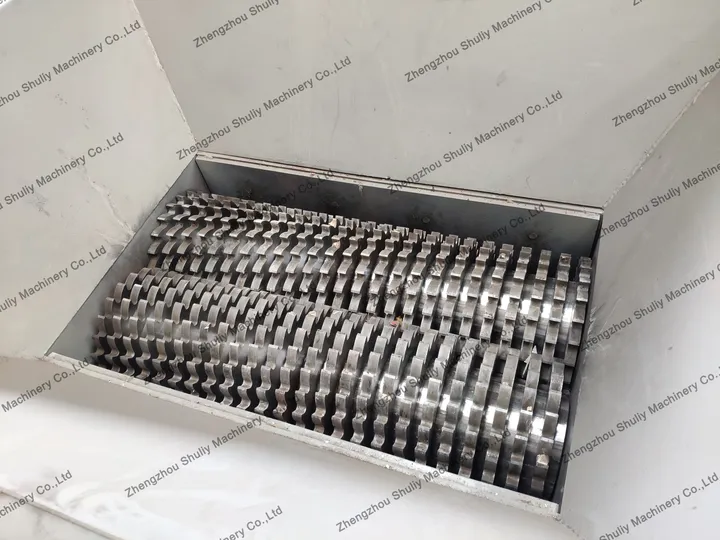
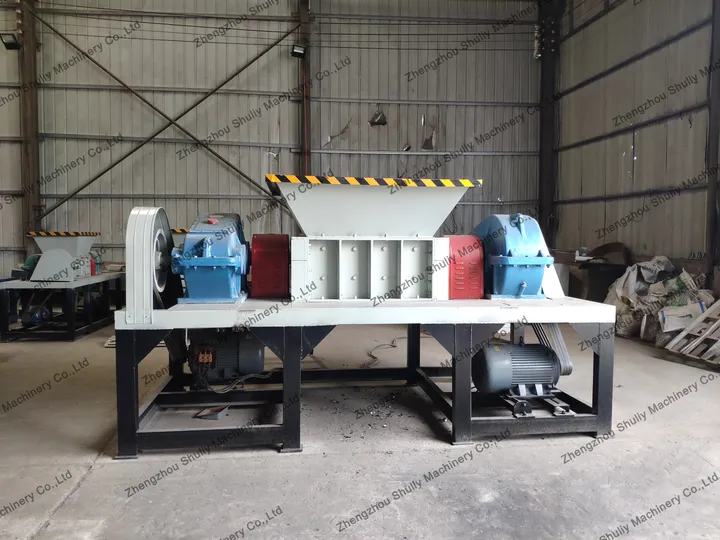
Build Your Waste Processing Line with an Industrial Shredder
Looking for a tire shredder machine that can work together with other equipment? Please tell us what materials you process, your required capacity, and your desired final product. Our team can help you select the right shredding machine and configure a complete processing line around your needs.
Contact Taizy Machinery today to discuss your waste processing project and get a suitable equipment solution.