
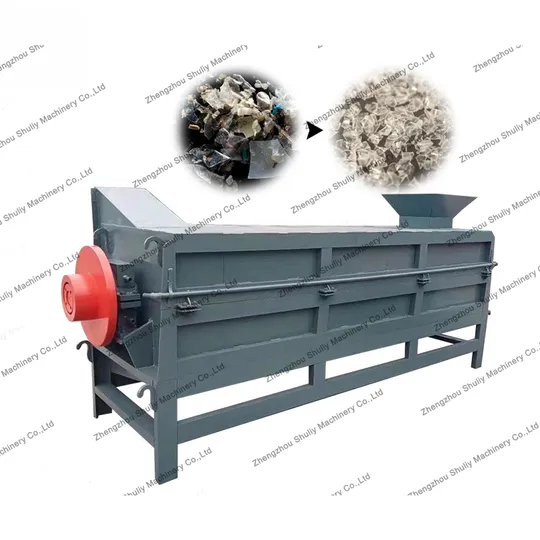
The Shuliy plastic washing machine is primarily designed to clean shredded plastic waste, with a processing capacity of approximately 400–600 kg/h. A high-speed rotating main shaft drives the material, generating intense friction between the plastic particles and the screen; this effectively removes surface contaminants such as mud, sand, and dust, thereby enhancing the cleanliness of the plastic fragments and preparing them for subsequent dewatering, drying, and pelletizing processes.
The machine’s blades are constructed from high-strength, wear-resistant steel, ensuring excellent durability for continuous friction washing operations. Meanwhile, the blades feature a detachable design, allowing for easy replacement after wear.
How Does a Plastic Washing Machine Work?
The cleaning process mainly depends on mechanical friction.
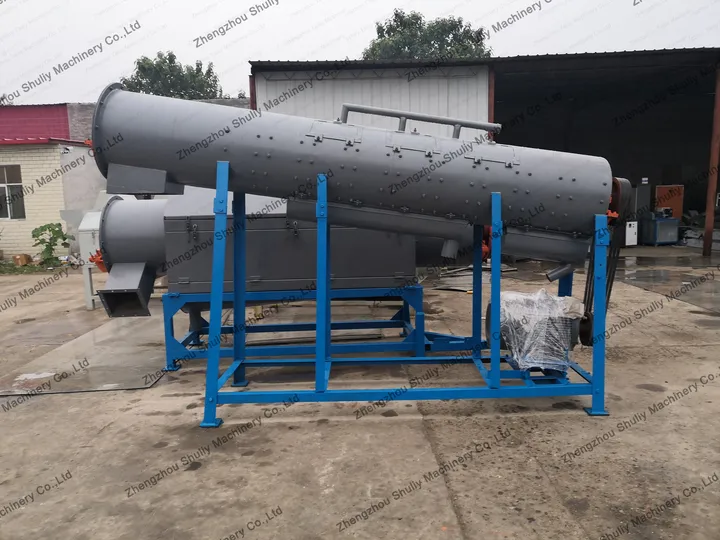
After plastic materials enter the washing chamber, a rapidly rotating shaft with specially designed paddles or blades moves the material at high speed. The plastic pieces repeatedly rub against each other and the internal surfaces of the machine while water carries away loosened dirt.
This combination provides two important cleaning actions:
- Mechanical friction: help loosen soil, sand, labels, and other contaminants attached to the plastic surface.
- Water washing: flush the loosened impurities away from the material.
The continuous movement also helps expose different surfaces of the flakes to the washing action. For heavily contaminated materials, the friction washer can be combined with other washing equipment to create a multi-stage cleaning process.
Plastic Washing Machine Specifications
| Item name | Plastic frictional machine |
| Capacidad | 400-600kg/h |
| Fuerza | 7.5kw/380-v/50hz/3ph |
| Washing tube diameter | 0.4m |
| Feeding inlet | 40*40cm |
| Machine size | 4.1*0.6*1.4m |
| Machine weight | 560kg |
What Plastic Materials Can Be Washed?
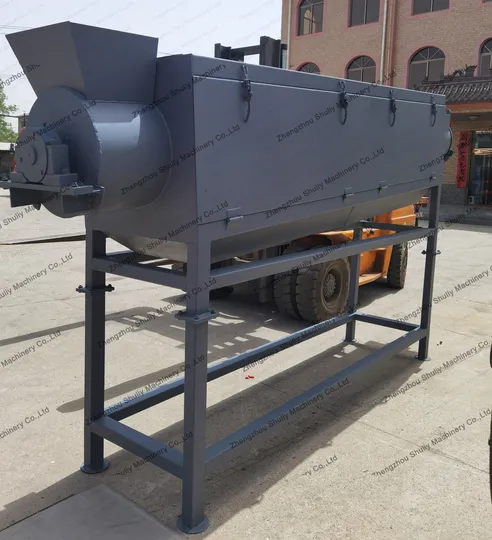
The suitable material depends on the complete recycling line and the condition of the incoming waste. The plastic washing machine is commonly used for plastic materials that have already been shredded or crushed into smaller pieces.
Typical applications include:
| Plastic material | Typical contaminants |
|---|---|
| PET flakes | Dirt, labels, glue, and beverage residues |
| PP plastic | Soil, dust, and product residues |
| PE plastic | Dirt, oil, and surface contaminants |
| HDPE flakes | Soil, labels, and organic residues |
| Plastic film | Dust, soil, and light surface contamination |
For plastic film and other lightweight materials, the feeding and conveying system should be matched to the material characteristics to avoid feeding problems.
Why Use Friction Cleaning in Plastic Recycling?
A plastic washing machine can provide several practical benefits:
Stronger Cleaning Action
High-speed movement creates repeated friction between the plastic pieces. This is particularly useful for removing dirt that is difficult to eliminate through simple soaking or water rinsing.
Continuous Operation
The machine is designed for continuous feeding and discharge, making it suitable for integration into an automatic plastic recycling line.
Preparation for Further Processing
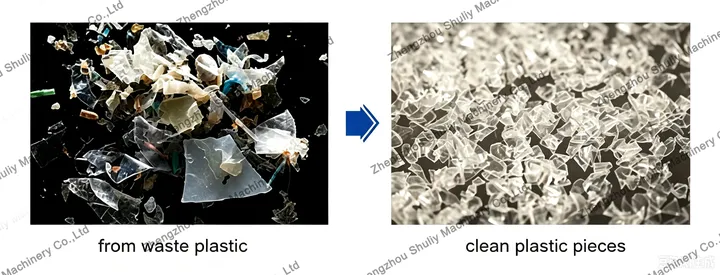
Cleaner plastic flakes are easier to handle in subsequent stages such as dewatering, drying, sorting, and pelletizing. The washing stage, therefore, serves as an important link between shredding and material reuse.
Flexible Line Configuration
A friction washer does not necessarily need to operate as a standalone machine. Depending on the incoming material, it can be installed together with a plastic crusher, pre-washer, hot washer, dewatering machine, and dryer.
Where Does the Machine Fit in a Plastic Recycling Line?
For a typical plastic recycling project, washing is only one part of the complete process.
A possible workflow is:
Plastic Waste → Sorting → Crushing/Shredding → Pre-Washing → Friction Washing → Rinsing → Dewatering → Drying → Clean Plastic Flakes
The exact configuration depends on the type and contamination level of the plastic.
For example, relatively clean industrial plastic scrap may require a simpler washing process, while post-consumer bottles or heavily contaminated plastic waste may need several cleaning stages.
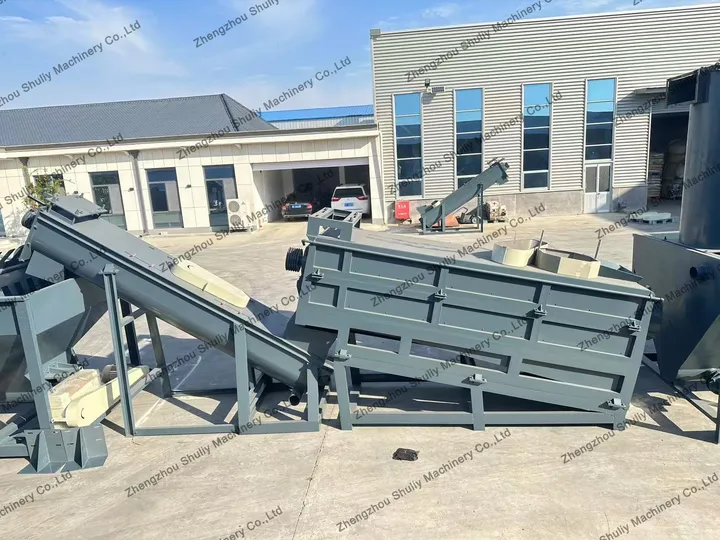
Plastic Washing Machine for Different Recycling Projects
A suitable washing system can be adapted to different plastic recycling applications. PET bottle recycling, PP/PE rigid plastic recycling, and plastic film recycling may use different combinations of crushers, washing equipment, and drying systems.
If you are planning a plastic recycling project, send us the plastic type, raw material photos, expected capacity, and contamination condition. Our team can recommend a suitable plastic process line.